Description
Ningaloo / Nyinggulu
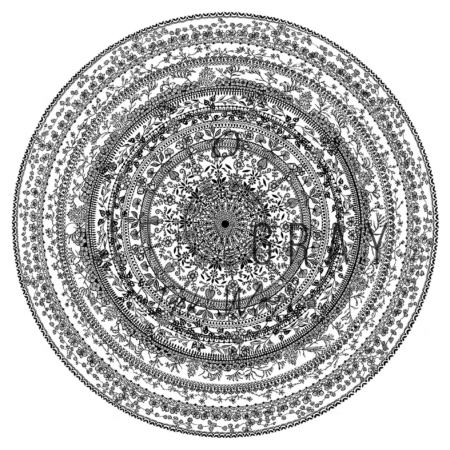
My drawing centres on Ningaloo Marine Park and the 557 fish species that inhabit this pristine, biodiverse region. Arranged within a circular form—symbolising the protection of a shoal—I invite viewers to reflect on the fragility of this UNESCO World Heritage–listed environment and the growing impact of human presence.
The ocean has always inspired me—its ability to calm, energise, and awaken emotion. Last year, I finally visited Ningaloo, a long-held dream shaped by my love of nature, remoteness, and the sea. We travelled by car from Adelaide to Exmouth. We swam, snorkelled, and experienced the extraordinary: swimming alongside Whale sharks, and even sharing an hour at sea surrounded by Orcas playing. The scale, heat, and beauty of Ningaloo left a lasting impression—both humbling and overwhelming.
It is a place that creates tension: the desire to share it with everyone, and the instinct to protect it from being loved too much.
Surrounded by life found nowhere else, I began researching the reef’s ecological richness. Initially, I wanted to capture everything—but Ningaloo is too vast. I turned instead to fish. Beyond the iconic whale shark, I discovered 558 species—native, endemic, and introduced—each intricately connected to the 300 km fringing reef. This drawing represents 557 of them, each one part of a delicate and interdependent system.
Ningaloo has remained relatively untouched, largely due to its isolation—over 1,200 km from Perth. However, increasing tourism is beginning to leave its mark: litter, chemical sunscreens, artificial light, and overfishing all pose growing threats. Industrial pressures from companies such as Woodside Energy, K+S Group, and GGL Group further endanger this fragile ecosystem.
This place holds immense environmental significance. Why would we risk losing it?
We must protect Ningaloo.